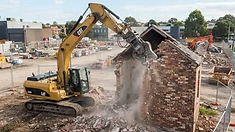
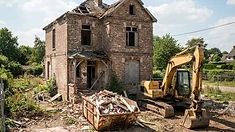
From assessing the structure to removing the debris, discover the main stages of a demolition.
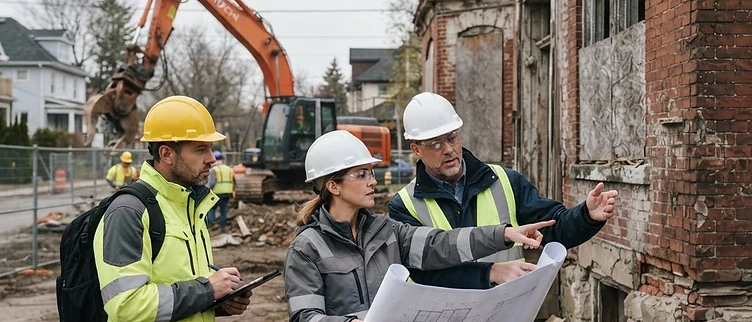
A demolition does not start directly with the machine. For safety and efficiency the project must be analysed and organised before the works begin.
1. Assessing the structure
- The type of structure
- The materials used
- The condition of the building
- The proximity to other buildings
- Machinery access
- Potentially unstable zones
- Materials requiring special handling
2. Checking the documents and permits
Depending on the type of structure and the locality, a demolition permit and other approvals may be required. These requirements must be verified for each individual project.
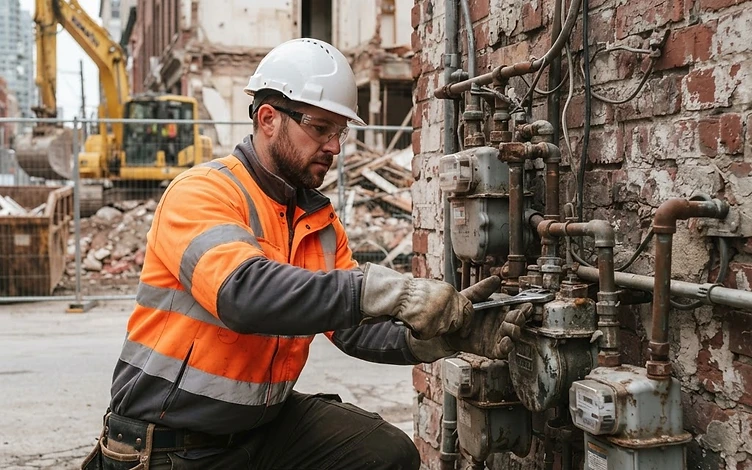
3. Identifying and shutting off the utilities
Before demolition the following must be identified and, where necessary, disconnected:
- Electricity
- Gas
- Water
- Sewerage
- Telecommunications
- Other existing installations
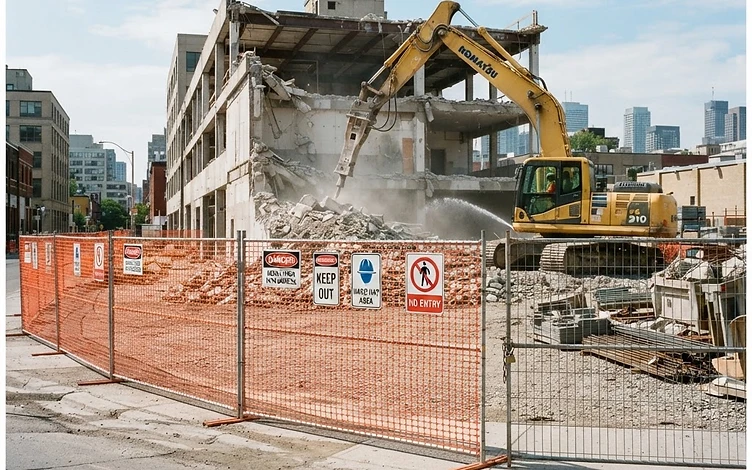
4. Delimiting the site
The area must be secured and signposted to prevent access by unauthorised persons.
5. Dismantling reusable elements
- Doors
- Windows
- Installations
- Metal elements
- Sanitary fixtures
- Materials that can be reused or recycled
6. The demolition itself
The order of the works must be established according to the structure of the building and the intervention method.

7. Sorting the materials
The resulting materials may include:
- Concrete
- Brick
- Wood
- Metal
- Glass
- Insulating materials
- Soil
- Mixed waste
8. Loading and removal
The debris must be loaded and transported to authorised locations or recycling facilities, depending on its nature.
9. Cleaning and levelling the plot
After removal the plot can be cleaned, levelled or prepared for the next construction.
Common mistakes
- Starting work without checking the utilities
- Lack of a demolition plan
- Underestimating the amount of debris
- Insufficient access for machines and trucks
- Uncontrolled storage of materials
- Lack of protection for neighbouring buildings
Conclusion
A well-planned demolition reduces risks, delays and unforeseen costs.
Need a project assessment?
Every demolition or excavation project has different access, terrain, structure and removal conditions. Send us your project details for a personalised assessment.
Request sent successfully
The Art Deco Concept team will contact you shortly.