Compare double and triple glazing for thermal and acoustic comfort, weight, cost and home type. Practical guidance for renovations in Spain and France.
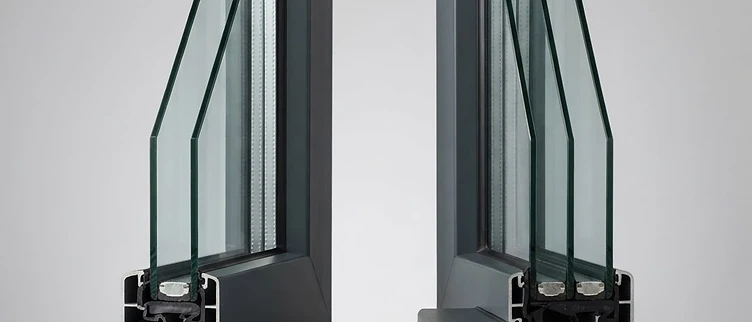
Choosing between double and triple glazing affects comfort, energy use, daylight, window weight and renovation cost. The best solution depends on your climate, orientation, existing frames, noise exposure and project budget—not simply on the number of panes.
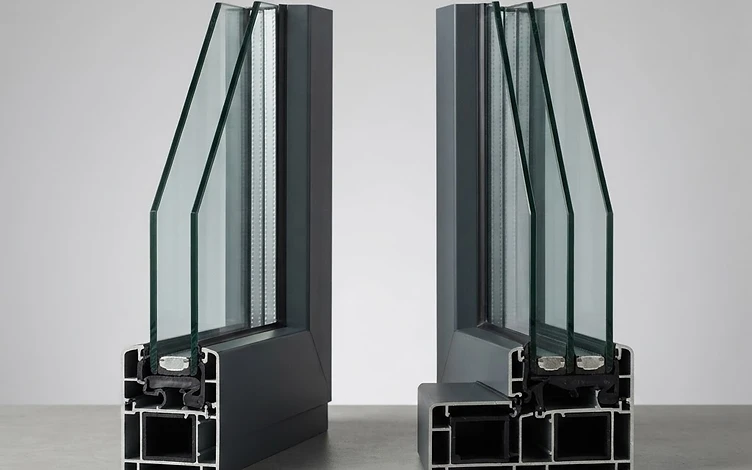
The key differences at a glance
Double glazing usually has two panes separated by a sealed cavity, while triple glazing has three panes and two cavities. Both may use low-emissivity coatings and argon or another insulating gas. Performance varies significantly with glass specification, spacer, frame, installation quality and airtightness.
| Factor | Double glazing | Triple glazing |
|---|---|---|
| Thermal insulation | Good to very good with modern low-E units; often sufficient for many renovations. | Generally better, especially in cold climates or highly insulated homes; gains depend on the complete window. |
| Acoustic insulation | Good for everyday traffic and urban noise when correctly specified; different glass thicknesses can improve results. | Can be better, but pane thickness, laminated glass and cavity design often matter more than simply adding a pane. |
| Weight | Lighter, so it is easier on hinges, frames and older masonry openings. | Heavier; may require stronger frames, hardware and careful structural and installation checks. |
| Price | Usually the more economical option and often easier to fit into existing openings. | Higher product and installation cost; energy savings may take longer to recover. |
| Best suited to | Apartments, period homes, moderate climates and many standard replacement projects. | New or deeply renovated efficient homes, cold or exposed locations, and rooms requiring maximum thermal comfort. |
Pros and cons for a renovation
Double glazing
- Lower initial cost and generally simpler installation.
- More compatible with many existing frames and older openings.
- Lower weight can reduce strain on hinges and masonry.
- Often provides a strong balance of daylight, comfort and performance in Spain and much of France.
- Usually offers less thermal resistance than comparable triple glazing.
- May be less comfortable near very cold glass in exposed rooms.
- Standard units may not sufficiently reduce traffic or nightlife noise without acoustic glass.
Triple glazing
- Higher thermal insulation can improve interior surface temperature and comfort.
- Can reduce heat loss in well-insulated homes and colder climates.
- May support low-energy renovation goals when the rest of the building envelope performs similarly.
- Higher purchase, transport and installation costs.
- Greater weight can limit compatibility with slender or historic frames.
- Can slightly reduce light transmission and solar gains, depending on the specification.
- The additional pane does not automatically guarantee better sound insulation.
Which home or period suits each option?
- Choose double glazing for many apartments, Mediterranean homes, moderate climates, listed or period properties with weight-sensitive frames, and renovations where existing joinery is retained.
- Consider triple glazing for new-build or deep-energy renovations, colder or wind-exposed areas, north-facing rooms, and homes with a highly insulated roof, walls and floor.
- For historic buildings, preserve the architectural character first and ask whether the existing frame can safely carry a heavier unit. Slim double-glazed units or secondary glazing may sometimes be more appropriate.
- For noise, specify the acoustic target and glass build-up rather than selecting triple glazing by default. Laminated acoustic glass and asymmetrical panes can be important.
A practical way to choose
Ask your installer to compare complete window systems, including frame, glass, spacer and installation. Review thermal transmittance, solar control, visible light, ventilation and acoustic performance together. In a sunny climate, excessive solar gain can cause overheating, while in a noisy street, the right laminated build-up may matter more than a third pane. Local planning, heritage and building requirements vary, so verify them in Spain or France before ordering.
Is triple glazing always warmer than double glazing?+
Does triple glazing block more noise?+
Can old window frames support triple glazing?+
Is triple glazing worth the extra cost in Spain or France?+
Planning a renovation in Spain or France? Art Deco 69 Concept can assess your existing windows, comfort priorities and architectural constraints before recommending a glazing solution.
Need a project assessment?
Every demolition or excavation project has different access, terrain, structure and removal conditions. Send us your project details for a personalised assessment.